
A collaboration between public health, academia, and wastewater utilities to advance wastewater-based surveillance
In 2023, the California Department of Public Health (CDPH),
in partnership with Stanford and Emory Universities, along
with utility partners at the San Francisco Public Utilities
Commission (SFPUC) and California Association of Sanitation
Agencies (CASA), was designated as a Centers for Disease Control
and Prevention (CDC) National Wastewater Surveillance
Systems (NWSS) Center of Excellence.
Together, the California Wastewater Surveillance Center of
Excellence is working to strengthen and expand wastewater
surveillance across California and its region to better protect
public health.
Wastewater surveillance or Wastewater-based Epidemiology
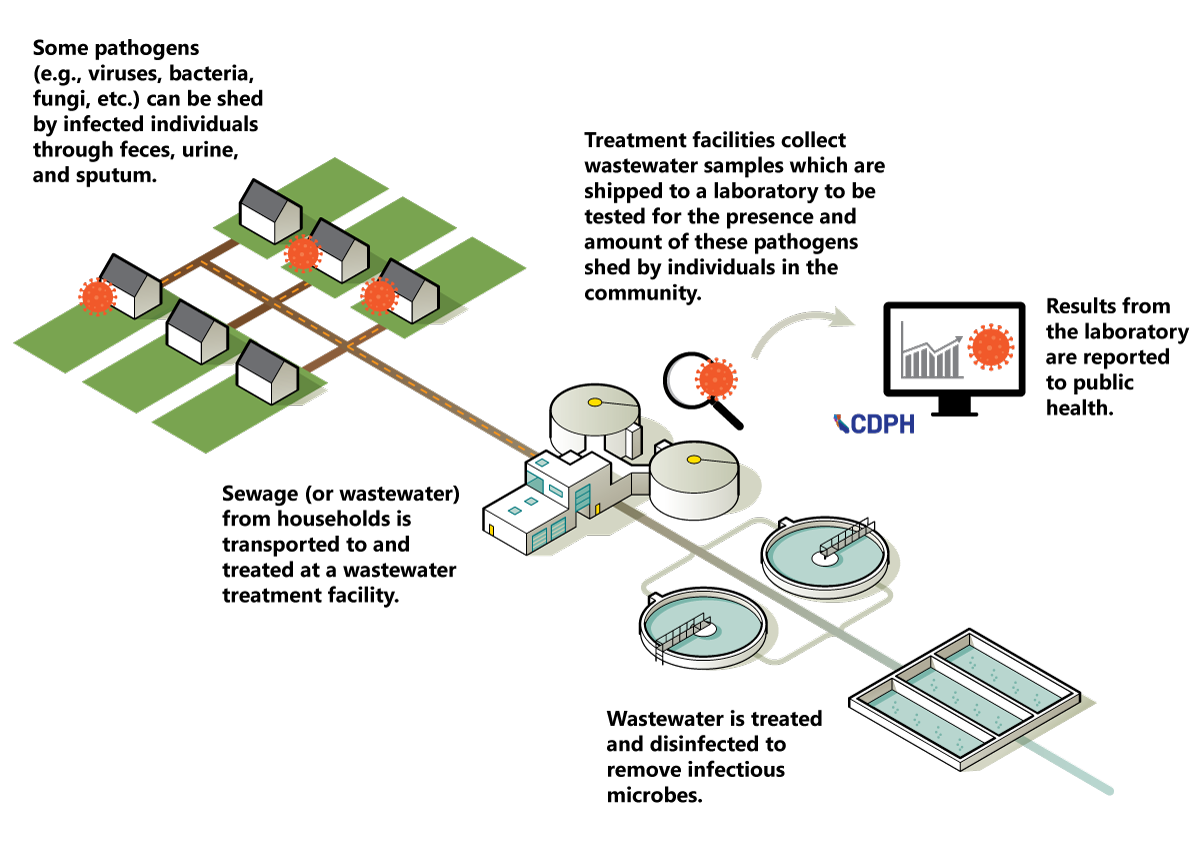
Wastewater surveillance is a way to check the health of a community by testing untreated water from toilets, sinks, and drains—called sewage—for germs like viruses, bacteria, and fungi.
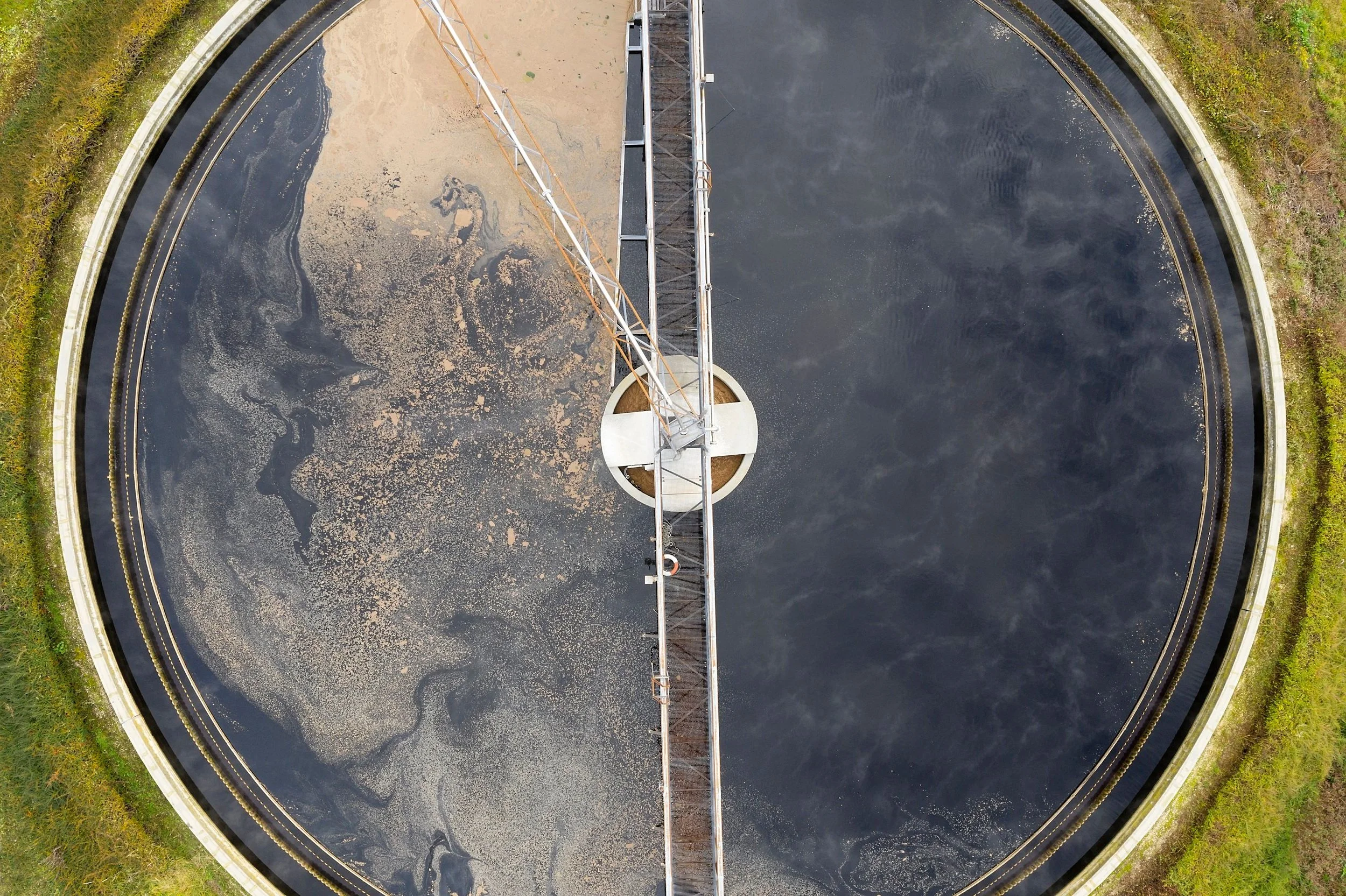
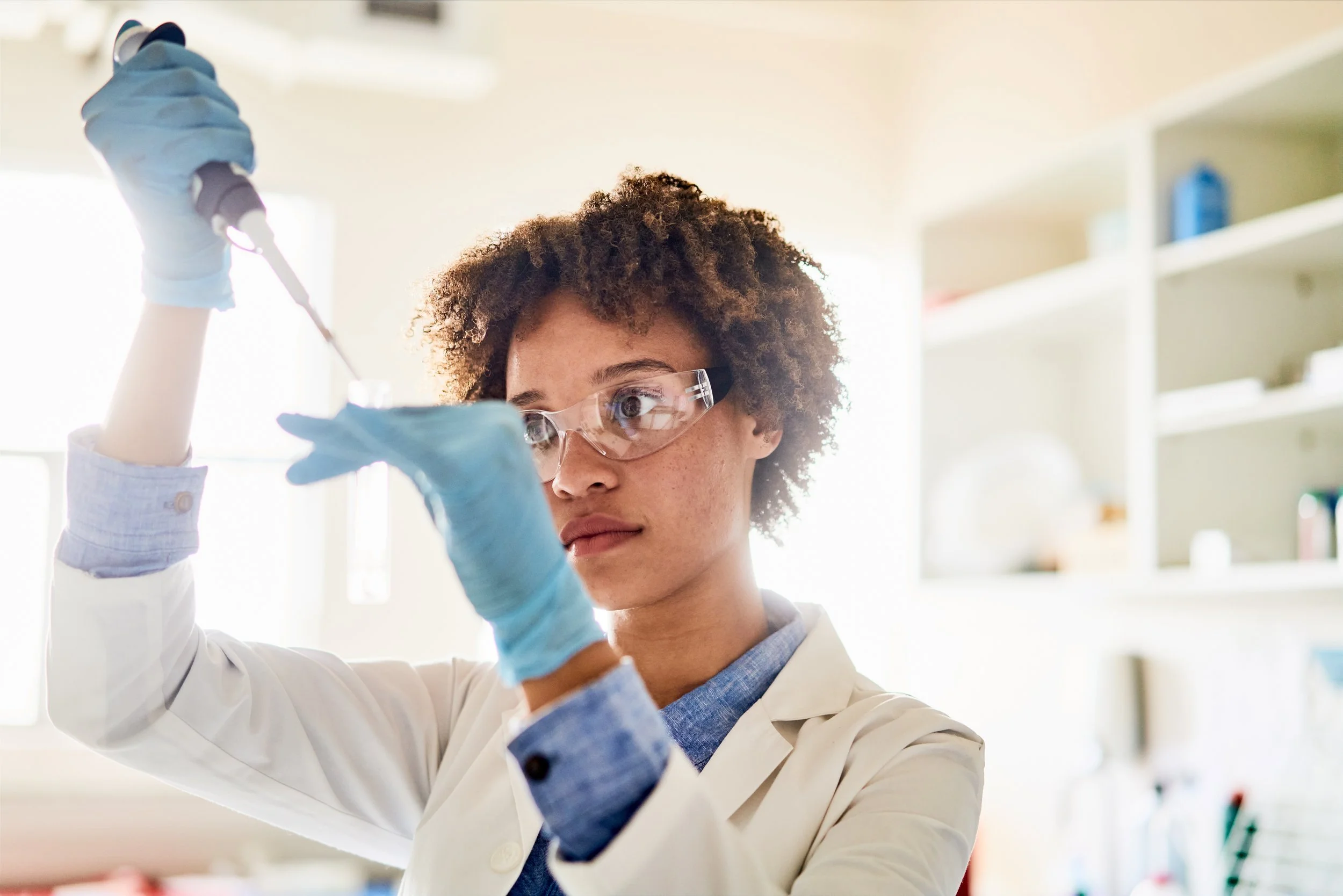
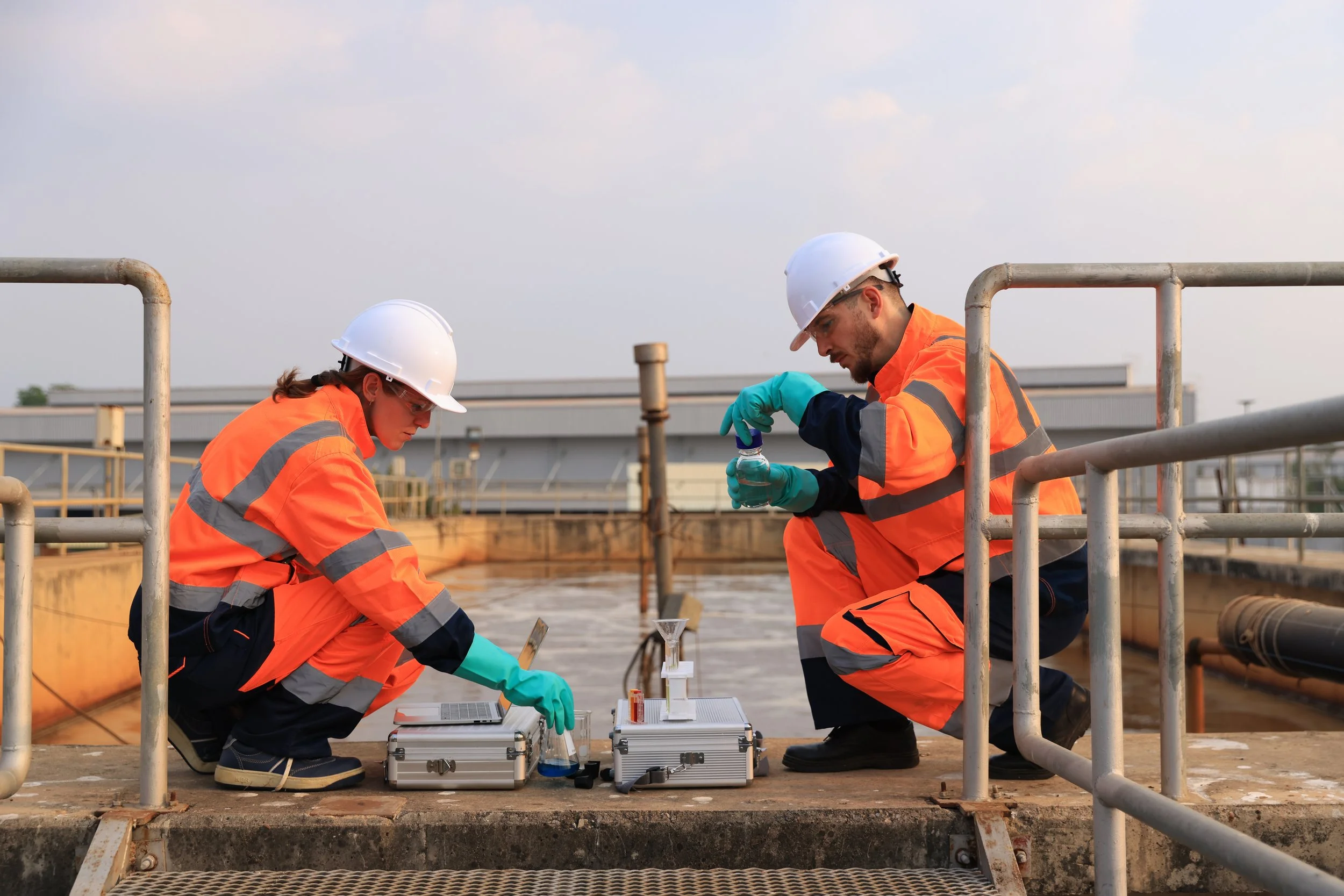
When people are sick, they can release tiny amounts of these germs into the sewer system. By testing samples of this sewage before it gets cleaned at a treatment plant, scientists can see how much of the germs are in the water.
This helps public health officials understand how diseases are spreading in a community. It can also give an early warning about outbreaks, guide health decisions, and help keep people safe.
Wastewater surveillance is a smart, private, and low-cost way to track public health.
For more information about wastewater surveillance visit the CA Wastewater Surveillance Center of Excellence FAQ Page.